
RESOURCES
Ideas worth understanding—and using.
Here you will find practical guidance and thoughtful book reviews about ADHD, autism, trauma, EMDR, relationships, and emotional well-being. I will share what I find useful, what deserves a closer look, and how these ideas may connect to your everyday life.
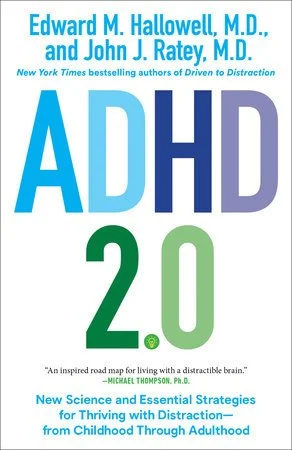
ADHD 2.0: A Hopeful, Practical Look at the ADHD Brain
ADHD 2.0 offers an accessible, hopeful look at the ADHD brain. Here is what the book explains well, where it has limitations, and who may find it helpful.
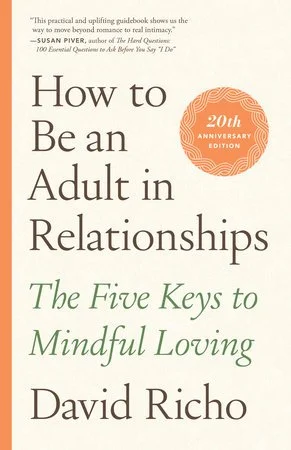
How to Be an Adult in Relationships Review: A Therapist’s Perspective
David Richo’s Five A’s offer a practical way to think about emotional maturity, connection, and personal responsibility in relationships. Here is what I find most useful—and where the ideas need more context.
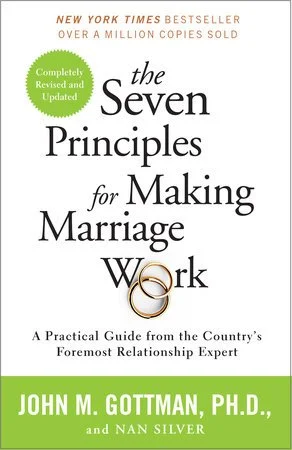
The Seven Principles for Making Marriage Work: A Therapist’s Review
John Gottman and Nan Silver translate decades of relationship research into practical tools for friendship, conflict, and connection. Here is what couples may find most useful.
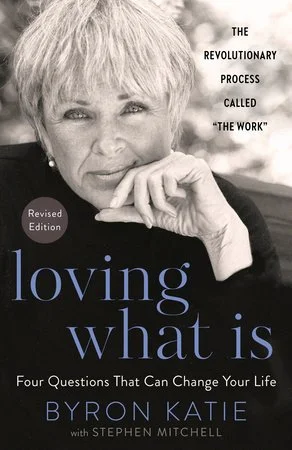
Loving What Is Review: Helpful Insights and Important Limitations
Loving What Is offers a structured way to question distressing thoughts. The practice can create perspective, but it also requires care, context, and emotional honesty.

Girl, Wash Your Face Review: A Therapist’s Perspective on Self-Help
Girl, Wash Your Face offers an energetic message about challenging self-defeating beliefs. Its emphasis on action can motivate—but it also needs context and compassion.
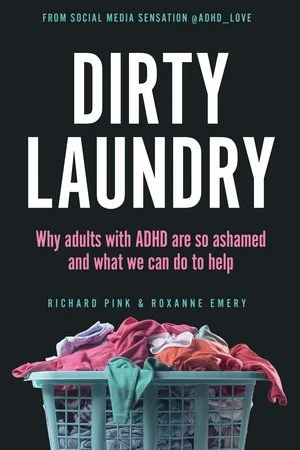
ADHD Is Not a Character Flaw: A Review of Dirty Laundry
Adults with ADHD often spend years believing that struggles with organization, follow-through, forgetfulness, and time management are personal failings. Dirty Laundry offers a different perspective—one that replaces judgment with a better understanding of ADHD and the shame that can accompany it.
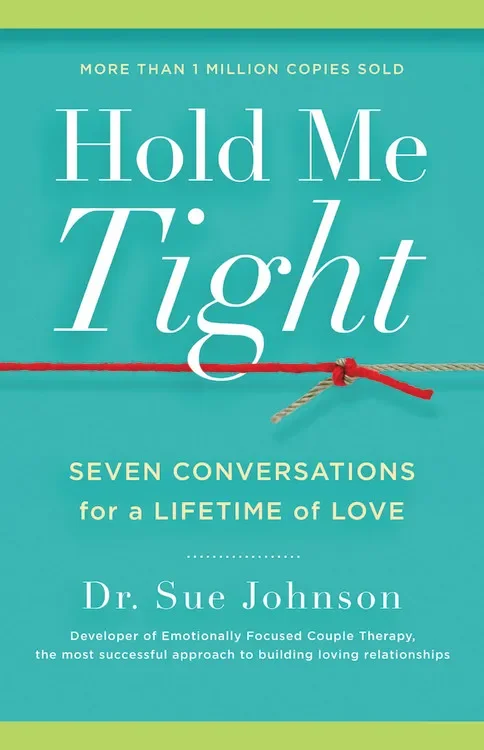
Why Couples Keep Having the Same Fight: A Review of Hold Me Tight
Couples often find themselves having the same argument again and again, even when the subject changes. Hold Me Tight by Dr. Sue Johnson offers a useful way to understand the emotional patterns beneath recurring conflict—and how couples can begin responding differently.